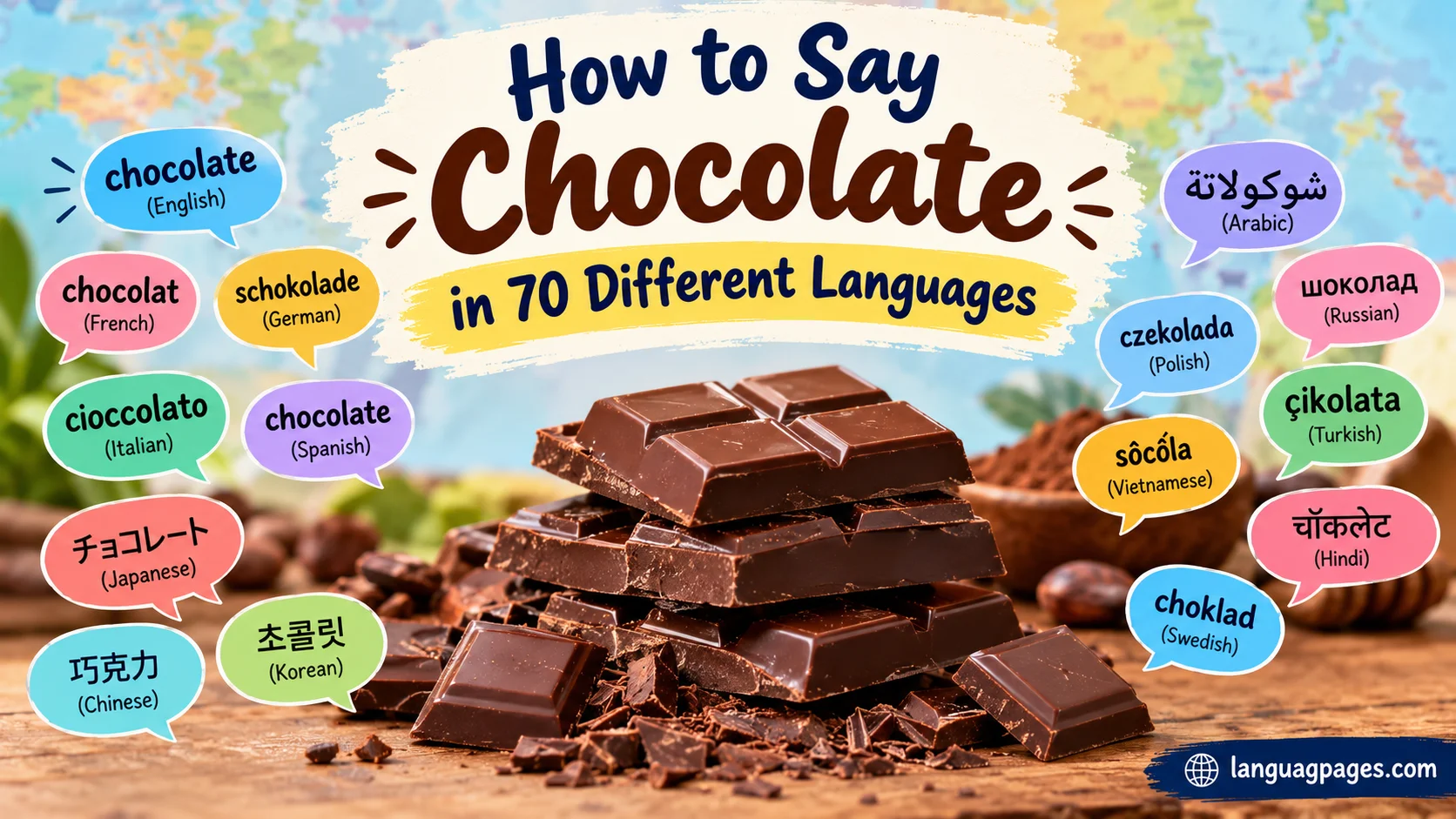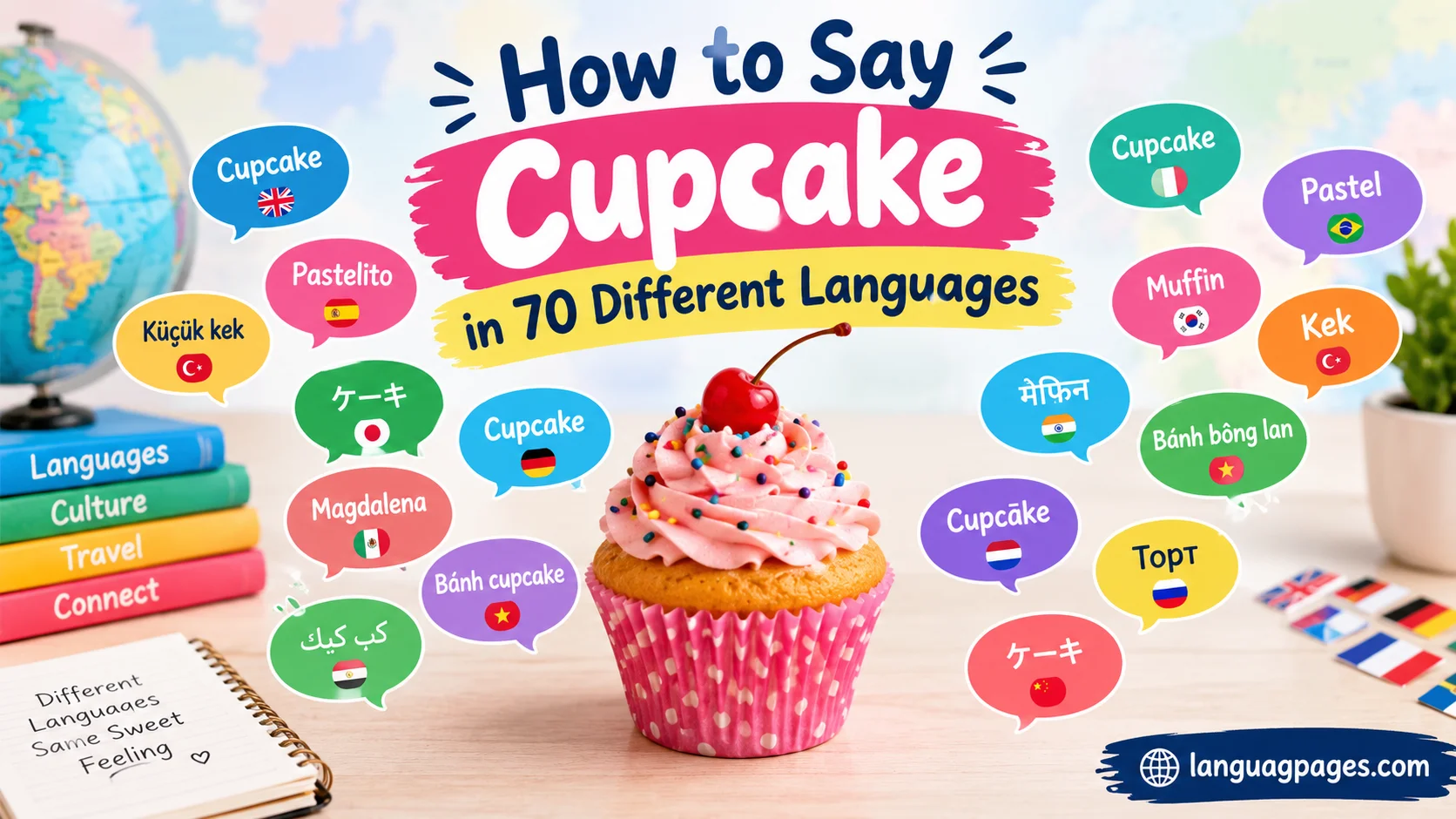
Cupcakes bring a little sweetness to any occasion, but their names vary across cultures. Learning How to Say Cupcake in 70 Different Languages helps you discover new vocabulary while exploring how people describe this familiar treat around the world.
Understanding cupcake translations is useful for travelers, food lovers, language learners, and anyone sharing recipes internationally. Different languages use borrowed words, descriptive expressions, or regional terms for small cakes. Exploring their meanings, pronunciation, spelling, and usage makes vocabulary learning more practical. These differences also reveal how language adapts to food traditions, everyday conversations, bakery menus, and cultural preferences across different communities worldwide.
In this article, you’ll explore cupcake in different languages, including European, Asian, African, and Middle Eastern expressions. Discover useful translations, easy pronunciation guides, and natural example sentences to understand each term. You’ll also learn about regional variations, borrowed vocabulary, and descriptive alternatives. Whether you’re ordering dessert, discussing baking, or expanding your multilingual vocabulary, these examples will help you communicate more confidently and appreciate linguistic differences.
Interesting Facts About Cupcakes
- The word is English in origin: Cupcake describes a small cake baked in an individual portion, although the exact history of the word has more than one explanation.
- Borrowed words are common: Many languages use cupcake directly, sometimes changing its pronunciation to fit local speech.
- Not every small cake is a cupcake: Muffins, fairy cakes, and other individual desserts can look similar but may differ in ingredients, decoration, or preparation.
- Frosting helps identify the dessert: In many English-speaking settings, a cupcake is associated with a generous swirl of icing.
- Translations can be descriptive: Some languages use a phrase meaning “small cake” rather than a single established word.
- Local spelling matters: A borrowed English word may be written in a different script, as happens when it is adapted into Japanese or Korean.
- Context makes a difference: A bakery menu, a home-baking recipe, and a casual conversation may use different wording for the same dessert.
Asian Languages
Asia contains many language families and writing systems. Some languages adapt the English loanword, while others use a descriptive phrase. The examples below identify familiar forms, but menus and everyday usage may differ between countries and communities.
| 🌍 Language | Country/Region | Translation | Pronunciation | Example sentence |
| Mandarin Chinese | China, Taiwan, Singapore | 纸杯蛋糕 | zhǐ bēi dàn gāo | 我买了一个纸杯蛋糕。— I bought a cupcake. |
| Cantonese | Hong Kong, Guangdong | 紙杯蛋糕 | zi2 bui1 daan6 gou1 | 我買咗個紙杯蛋糕。— I bought a cupcake. |
| Japanese | Japan | カップケーキ | kappu kēki | カップケーキを作りました。— I made a cupcake. |
| Korean | South Korea, North Korea | 컵케이크 | keop-ke-i-keu | 컵케이크를 먹었어요. — I ate a cupcake. |
| Hindi | India | कपकेक | kup-kek | मैंने कपकेक खाया। — I ate a cupcake. |
| Urdu | Pakistan, India | کپ کیک | kap-kek | میں نے کپ کیک کھایا۔ — I ate a cupcake. |
| Bengali | Bangladesh, India | কাপকেক | kap-kek | আমি একটি কাপকেক খেয়েছি। — I ate a cupcake. |
| Punjabi | India, Pakistan | ਕੱਪਕੇਕ / کپ کیک | kap-kek | ਮੈਂ ਕੱਪਕੇਕ ਖਾਧਾ। — I ate a cupcake. |
| Gujarati | India | કપકેક | kup-kek | મેં કપકેક ખાધો. — I ate a cupcake. |
| Marathi | India | कपकेक | kup-kek | मी कपकेक खाल्ला. — I ate a cupcake. |
| Tamil | India, Sri Lanka, Singapore | கப்கேக் | kap-kēk | நான் கப்கேக் சாப்பிட்டேன். — I ate a cupcake. |
| Telugu | India | కప్కేక్ | kap-kēk | నేను కప్కేక్ తిన్నాను. — I ate a cupcake. |
| Kannada | India | ಕಪ್ಕೇಕ್ | kap-kēk | ನಾನು ಕಪ್ಕೇಕ್ ತಿಂದೆ. — I ate a cupcake. |
| Malayalam | India | കപ്പ്കേക്ക് | kap-kēk | ഞാൻ കപ്പ്കേക്ക് കഴിച്ചു. — I ate a cupcake. |
| Nepali | Nepal | कपकेक | kap-kek | मैले कपकेक खाएँ। — I ate a cupcake. |
| Sinhala | Sri Lanka | කප්කේක් | kap-kēk | මම කප්කේක් එකක් කෑවා. — I ate a cupcake. |
| Thai | Thailand | คัพเค้ก | khap-khéek | ฉันกินคัพเค้ก — I ate a cupcake. |
| Vietnamese | Vietnam | Bánh cupcake | banh cup-kayk | Tôi đã ăn một chiếc bánh cupcake. — I ate a cupcake. |
| Indonesian | Indonesia | Cupcake; kue mangkuk for related cakes | KUP-kayk; koo-eh mang-kook | Saya makan cupcake. — I ate a cupcake. |
| Malay | Malaysia, Brunei, Singapore | Kek cawan | kek CHA-wan | Saya makan kek cawan. — I ate a cupcake. |
| Filipino/Tagalog | Philippines | Cupcake | KUP-kayk | Kumain ako ng cupcake. — I ate a cupcake. |
| Burmese | Myanmar | ကပ်ကိတ် | kap-kate | ကပ်ကိတ်တစ်ခု စားခဲ့တယ်။ — I ate a cupcake. |
| Khmer | Cambodia | ខាប់ខេក (loanword-style spelling varies) | kap-khek | ខ្ញុំញ៉ាំខាប់ខេក។ — I ate a cupcake. |
| Lao | Laos | ຄັບເຄັກ | khap-khek | ຂ້ອຍກິນຄັບເຄັກ. — I ate a cupcake. |
| Mongolian | Mongolia | Капкейк | kap-keyk | Би капкейк идсэн. — I ate a cupcake. |
| Kazakh | Kazakhstan | Капкейк | kap-keyk | Мен капкейк жедім. — I ate a cupcake. |
| Uzbek | Uzbekistan | Kapkeyk | kap-keyk | Men kapkeyk yedim. — I ate a cupcake. |
Asian language note: Mandarin 纸杯蛋糕 literally describes a paper-cup cake. Malay kek cawan means “cup cake,” while Japanese カップケーキ adapts the English loanword to Japanese pronunciation. Indonesian kue mangkuk can refer to other steamed or cup-shaped cakes, so it isn’t always an exact cupcake equivalent.
African Languages
Africa’s languages belong to several major language families and have diverse writing traditions. For a relatively modern dessert such as a cupcake, some languages commonly use an English or Afrikaans loanword, while others may describe it as a small cake.
| 🌍 Language | Country/Region | Translation | Pronunciation | Example sentence |
| Swahili | Tanzania, Kenya, East Africa | Keki ndogo; cupcake is also used | KEH-kee n-DOH-go | Nimenunua keki ndogo. — I bought a small cake. |
| Afrikaans | South Africa, Namibia | Kolwyntjie; cupcake is also used | KOL-vayn-kee | Ek het ‘n cupcake gebak. — I baked a cupcake. |
| Zulu | South Africa | Ikhekhe elincane, descriptively | ee-KHE-khe eh-lin-CAH-neh | Ngidle ikhekhe elincane. — I ate a small cake. |
| Xhosa | South Africa | Ikeyiki encinci, descriptively | ee-keh-YEE-kee en-CHIN-chee | Nditye ikeyiki encinci. — I ate a small cake. |
| Amharic | Ethiopia | ኩባያ ኬክ, descriptive form | ku-ba-ya kek | ኩባያ ኬክ በላሁ። — I ate a cupcake. |
| Yoruba | Nigeria, West Africa | Kẹ́ẹ̀kì kékeré, descriptive form | keh-kee keh-keh-reh | Mo jẹ kẹ́ẹ̀kì kékeré. — I ate a small cake. |
| Igbo | Nigeria | Achicha nta, descriptive form | ah-CHEE-cha nta | Eri m achicha nta. — I ate a small cake. |
| Hausa | Nigeria, Niger, West Africa | Ƙaramin kek, descriptive form | ka-ra-min kek | Na ci ƙaramin kek. — I ate a small cake. |
| Somali | Somalia, Horn of Africa | Keeg yar, descriptive form | keeg yar | Waxaan cunay keeg yar. — I ate a small cake. |
| Shona | Zimbabwe | Keke diki, descriptive form | KEH-keh DEE-kee | Ndadya keke diki. — I ate a small cake. |
| Sesotho | Lesotho, South Africa | Kuku e nyenyane, descriptive form | KOO-koo eh nye-NYEH-neh | Ke jele kuku e nyenyane. — I ate a small cake. |
| Malagasy | Madagascar | Mofomamy kely, descriptive form | moo-foo-MAH-mee KEH-lee | Nihinana mofomamy kely aho. — I ate a small cake. |
African language note: The descriptive expressions above generally mean “small cake” or a similar idea; they are not necessarily established, cupcake-specific dictionary terms. For a particular bakery product, the borrowed word cupcake may be clearer.
Middle Eastern Languages
The Middle East includes Arabic, Persian, Hebrew, Kurdish, Turkish, and other distinct language traditions. Loanwords are common for international foods, but the best choice can vary by country and dialect.
| 🌍 Language | Country/Region | Translation | Pronunciation | Example sentence |
| Arabic (Modern Standard Arabic) | Middle East, North Africa | كعكة صغيرة; كاب كيك is also used | kaʿ-ka ṣa-GHEE-ra; kaab keek | أكلت كاب كيك. — I ate a cupcake. |
| Persian | Iran, Persian-speaking communities | کاپکیک | kaap-keek | من یک کاپکیک خوردم. — I ate a cupcake. |
| Hebrew | Israel | קאפקייק | kap-kayk | אכלתי קאפקייק. — I ate a cupcake. |
| Kurdish (Kurmanji) | Türkiye, Iraq, Syria, Iran | Cupcake; descriptive forms vary | KUP-kayk | Min cupcake xwar. — I ate a cupcake. |
| Turkish | Türkiye, Cyprus | Cupcake; küçük kek descriptively | KUP-kayk; koo-CHOOK kek | Bir cupcake yedim. — I ate a cupcake. |
| Armenian | Armenia, Armenian-speaking communities | Քափքեյք | kap-keyk | Ես քափքեյք կերա։ — I ate a cupcake. |
Middle Eastern language note: Arabic has many regional dialects. The table gives a broad Modern Standard Arabic description and a commonly recognizable loanword form, not a claim that every Arabic-speaking community uses the same expression. Persian, Hebrew, Kurdish, and Turkish should likewise be treated as distinct languages.
Other World Languages
These examples add languages from the Pacific, the Americas, and international language communities. Some use a borrowed word, while others can describe the dessert using a broader expression.
| 🌍 Language | Country/Region | Translation | Pronunciation | Example sentence |
| Māori | New Zealand | Keke iti, descriptive form | KEH-keh EE-tee | I kai au i tētahi keke iti. — I ate a small cake. |
| Samoan | Samoa, Pacific Islands | Keke; small-cake description varies | KEH-keh | Na ou ‘ai i se keke. — I ate a cake. |
| Hawaiian | Hawaiʻi | Kīpēkeke is not a universally established form; use cupcake or explain descriptively | KUP-kayk | Ua ʻai au i kahi cupcake. — I ate a cupcake. |
| Quechua | Andean regions of South America | Descriptive wording varies by Quechua variety; cupcake is often retained | KUP-kayk | A cupcake may be named using the borrowed word in a mixed-language context. |
| Guarani | Paraguay, neighboring regions | Kapei or descriptive forms may vary; cupcake is also used | KUP-kayk | A speaker may use cupcake in a Spanish- or Guarani-influenced conversation. |
| Haitian Creole | Haiti, Haitian communities | Gato individual / cupcake | ga-TOH an-dee-vee-DWEL | Mwen manje yon cupcake. — I ate a cupcake. |
| Esperanto | International constructed language | Kuketo; descriptive usage may vary | koo-KEH-toh | Mi manĝis kuketon. — I ate a small cake. |
Note on less standardized terms: Some languages have no single widely established, cupcake-specific word. In those cases, a descriptive phrase or borrowed cupcake is more responsible than presenting a new form as universal. For Quechua and Guarani in particular, wording should be checked with a speaker of the specific regional variety before publication as a definitive translation.
How to Choose the Right Translation
The best translation depends on where you’re speaking, who you’re speaking to, and what you mean.
- For travel: Use the familiar local term if you know it, or show a picture when ordering at a bakery.
- For recipes: Keep the word cupcake if the recipe depends on a particular style of frosted cake.
- For language learning: Learn both the borrowed word and a descriptive alternative where one exists.
- For messages: Use a phrase that sounds natural rather than translating every English word separately.
- For regional accuracy: Check whether the term describes a cupcake specifically or a broader category of small cakes.
A useful tip is to learn the pronunciation alongside the written form. A correct word can still be difficult to understand if its sounds or stress are unfamiliar.
Common Mistakes When Translating Cupcake
Several translation mistakes can make a simple food order confusing.
- Translating word by word: The word cupcake doesn’t always translate naturally as “cup” plus “cake.”
- Confusing similar desserts: A muffin, fairy cake, and cupcake may look similar but aren’t always the same product.
- Assuming a loanword is universal: A borrowed term may be familiar in one country and less common in another.
- Ignoring pronunciation: A word written in another script may sound quite different from English.
- Treating descriptions as exact names: A phrase meaning “small cake” may be understandable without being the established name of a cupcake.
- Mixing regional varieties: A term used in one dialect may not be the best choice in another.
The safest approach is to identify the dessert clearly and use a local expression that fits the setting.
Why Learn Cupcake in Different Languages?
Learning food vocabulary is a practical and enjoyable part of language learning. It helps you order desserts, read menus, understand recipes, and talk about food with people from different backgrounds.
Knowing how to say cupcake can also help when planning an international birthday party, sharing baking instructions, or describing a favorite treat to a friend. It introduces you to borrowed vocabulary, local spelling conventions, and the ways languages adapt names for foods that travel between cultures.
Even a small word can reveal useful differences. One language may preserve the English loanword, while another uses a phrase that describes the cake’s shape or size. Comparing these expressions builds vocabulary and encourages curiosity about regional usage.
When learning a new term, remember to check pronunciation, context, and local meaning instead of memorizing spelling alone.
FAQs:
How do you say cupcake in different languages?
Many languages use a version of the English word cupcake. Examples include Japanese カップケーキ, Korean 컵케이크, and Russian капкейк. Others use descriptive phrases.
What is the most natural translation of cupcake?
It depends on the language and region. A borrowed word may be common in one place, while a descriptive term such as kek cawan in Malay may be more familiar in another context.
Can the translation change by country?
Yes. Different countries may use different spellings, pronunciations, or dessert terms, even when speakers share a language.
Why do some languages use the English word?
Food names often travel with recipes, businesses, and international food trends. Borrowing the original term can be simpler than creating a new word.
Is cupcake the same as muffin?
Not always. Cupcakes are generally treated as small cakes and are often frosted. Muffins may have different ingredients, textures, and serving conventions.
How can I pronounce cupcake correctly?
In English, it is commonly pronounced KUP-kayk. In other languages, borrowed versions may follow local sound and stress patterns.
Is a literal translation always accurate?
No. A literal translation may describe a cup and a cake without identifying the specific dessert. Natural usage matters more than matching each English word.
Which languages use a different writing system?
Japanese, Mandarin Chinese, Korean, Hindi, Urdu, Arabic, Greek, and Russian are examples of languages that use scripts other than the standard Latin alphabet or use additional writing conventions.
Can I use these translations in a message?
Yes, but check the regional wording if accuracy matters. For a casual message, the familiar loanword may be understood, although local preferences vary.
How can cupcake vocabulary help with language learning?
It teaches food vocabulary, pronunciation, loanwords, and regional differences. You can also use it to practice ordering at bakeries or discussing recipes.
What should I do if a local translation is unclear?
Use a picture, describe the dessert as a small cake with frosting, or ask a local speaker which term is most natural.
Conclusion:
Learning How to Say Cupcake in 70 Different Languages helps you explore global vocabulary, understand cultural differences, and discover how people describe this sweet treat across languages and regions.
These translations, pronunciation guides, and examples make language learning more enjoyable and practical. Remember that regional expressions may vary, so consider context when choosing words. Keep exploring new languages, practicing pronunciation, and discovering how everyday vocabulary connects people through food and culture.